$1.8 Billion Pledged for Biodiversity at COP17 as Monaco Reaffirms Commitment
Delegates at the 17th Conference of the Parties to the Convention on Biological Diversity in Yerevan, Armenia, have adopted the Yerevan Pathway to accelerate global biodiversity action. The summit saw the announcement of $1.8 billion in new funding commitments, with Monaco reaffirming its dedication to protecting ecosystems and updating its national strategy.
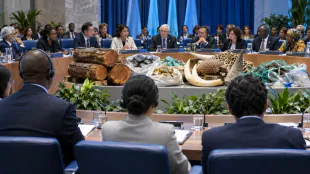
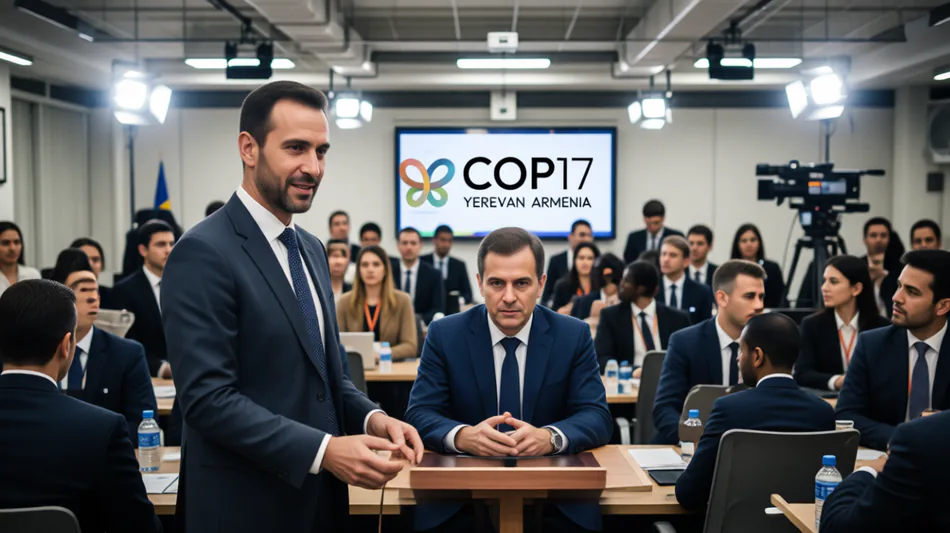
Delegates at the 17th Conference of the Parties to the Convention on Biological Diversity (COP17) in Yerevan, Armenia, have adopted a new roadmap aimed at accelerating global action against nature loss. The summit concluded with the announcement of $1.8 billion in new funding commitments for biodiversity, reinforcing international efforts to meet the targets set by the Kunming-Montreal Global Biodiversity Framework.
The two-week gathering brought together nations to assess progress toward the framework’s 23 targets, which include the ambitious goal of protecting at least 30% of the world’s land and marine areas by 2030. Central to the negotiations was the challenge of translating existing political commitments into practical, on-the-ground measures, with long-term financing and enhanced international cooperation emerging as critical priorities.
A key outcome of the conference was the adoption of the Yerevan Pathway. This roadmap calls on governments to reform subsidies that harm nature, integrate biodiversity considerations into public spending, and increase financial, scientific, and technical assistance for developing nations. Additionally, delegates adopted nearly 50 decisions addressing specific environmental challenges, including the protection of marine and coastal ecosystems, the management of protected areas, and strategies to combat invasive alien species.
Another significant development was the adoption of the Sevan Guidelines, which establish protocols for a new permanent body designed to strengthen the participation of Indigenous peoples and local communities in the Convention’s work.
Monaco played an active role in the proceedings through a delegation comprising Céline Impagliazzo from the Department of External Relations and Cooperation, alongside Raphaël Simonet and Ludovic Aquilina from the Department of the Environment. The Principality’s representatives focused their efforts on negotiations concerning marine and coastal biodiversity, protected areas, and the intersection of biodiversity and climate change. They also participated in discussions aimed at mobilizing public and private finance for countries particularly vulnerable to environmental pressures, including small island developing states.
The Principality’s position was further represented by Government Minister Céline Caron-Dagioni, who attended the high-level segment on October 27 and 28. During her address, she reaffirmed Monaco’s commitment to the international biodiversity framework, highlighting ongoing work to update the country’s National Biodiversity Strategy for 2030 and its efforts to protect both terrestrial and marine ecosystems.
During the summit, Caron-Dagioni held bilateral talks with Dr. Grethel Aguilar, Director General of the International Union for Conservation of Nature (IUCN). The two discussed their longstanding partnership on species and habitat protection. Caron-Dagioni also met with Rafael Benitez, Director of Social Rights, Health and Environment at the Council of Europe, to discuss the relationship between environmental protection and human rights. These discussions took place against the backdrop of Monaco’s presidency of the Committee of Ministers.
Looking beyond the international conference, Monaco intends to carry its commitments forward through domestic action. The Principality plans to continue updating its biodiversity strategy, developing urban renaturation initiatives, and restoring natural habitats. Officials stated that Monaco will maintain its involvement in international cooperation as countries work toward the 2030 targets, with the broader objective of halting biodiversity loss and reversing damage to natural environments.
K.Laurent--JdB