Chevron unveils deal to double Venezuela venture output in 5 years / Photo: Patrick T. Fallon - AFP/File
Chevron announced a $7 billion deal with Venezuela on Wednesday to develop two additional oil fields in the country's Orinoco Belt, expected to more than double output in five years.
The Petroindependencia joint venture, in which the US oil giant has a 49-percent stake, will develop two new areas of the oilfield near existing work in Venezuela's heavy-oil Orinoco Belt, lifting output to around 600,000 barrels a day, according to a Chevron press release.
The announcement came as US Energy Secretary Chris Wright was set to sign a separate deal later Wednesday in Caracas, which will grant the United States control of about one-fifth of the South American country's reserves.
Wright said on CNBC that the shifts in Venezuela will lead to "downward pressure on oil prices globally."
Chevron's move builds on an April announcement in which the company increased its stake in Petroindependencia by 13.2 percent in exchange for returning rights to offshore gas extraction, among other assets, to the Venezuelan state oil company, known as PDVSA.
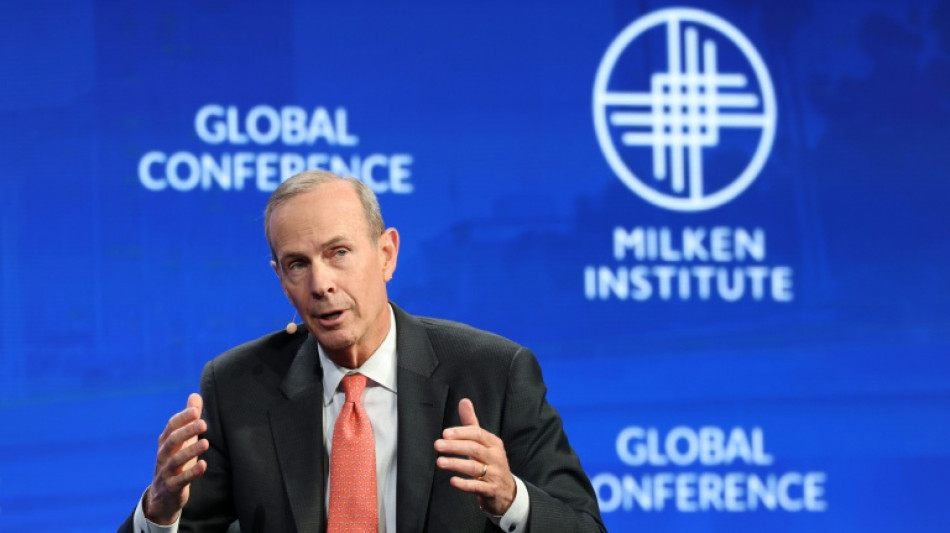
Chevron CEO Mike Wirth told CNBC the stepped-up investment reflects greater assurances of foreign investment enacted in Venezuela since January, when US forces captured former Venezuelan president Nicolas Maduro.
The Trump administration has since been working with interim president Delcy Rodriguez, Maduro's former deputy, on boosting investment.
"There have been significant changes in dispute resolution provisions and assurances of terms and economics in the contracts ... that give us a different degree of confidence today to make these investments than there would have been a year ago," Wirth said.
But asked about whether the new Venezuela investments would lower gasoline prices, Wirth described the push as a "long-term" solution, pointing to other factors keeping gasoline prices high.
Elevated gas prices are a major concern for voters heading into the November midterm elections, in which President Donald Trump's Republicans face an uphill battle to retain control of Congress.
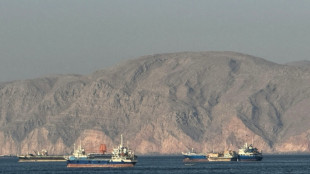
In the most recent earnings conference calls, executives from Chevron and ExxonMobil warned elevated gasoline prices will probably continue to strain consumers due in part to cuts in global refining production because of supply disruptions from the Strait of Hormuz due to the US-Iran war.
Wirth said lifting output by 300,000 barrels a day is a "significant" amount, but "growing production takes time, it takes time, it takes engineering, it takes supply chains."
In the Chevron press release, he praised Wright's efforts to "facilitate the conditions for further investment and growth."
W.Baert --JdB