Beirut Cinema Festival Draws Thousands Despite War Fatigue
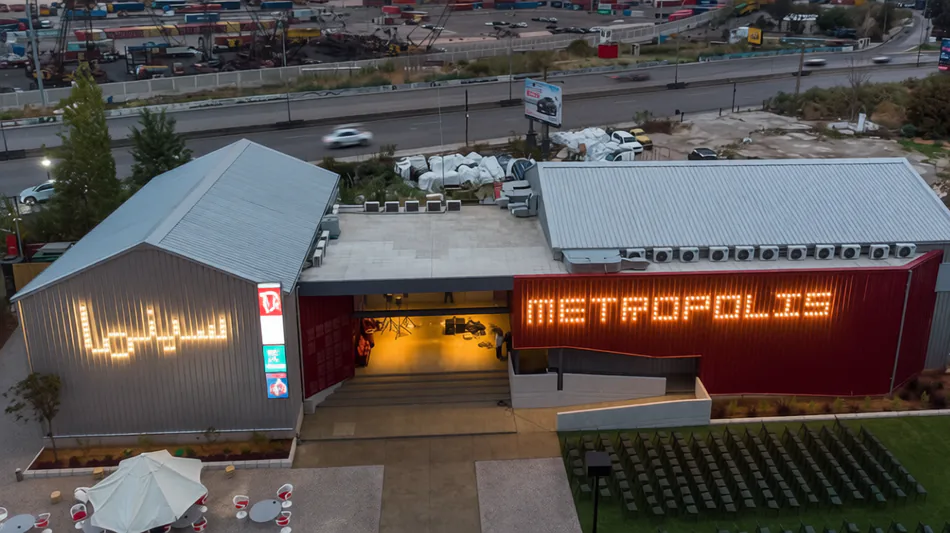
Despite months of full-scale war between Israel and Hezbollah, the 20th Beirut Shorts International Film Festival drew 3,500 people to the landmark Metropolis Cinema. The event underscored a resilient appetite for cultural engagement in the Lebanese capital, with award-winning films reflecting both personal recovery and national unrest.
Thousands of people gathered at the landmark Metropolis Cinema in Beirut’s Mar Mikhael district from November 2 to 6 for the 20th Beirut Shorts International Film Festival, demonstrating a sustained appetite for cultural engagement despite the country’s ongoing conflict. The event, which focuses on emerging filmmakers and young talent, drew an attendance of 3,500 people, according to co-founder and director Sam Lahoud.
The turnout occurred against a backdrop of widespread fatigue following months of full-scale war between Israel and the Lebanese militant group Hezbollah, which began in March. Israeli strikes have killed more than 4,300 people and resulted in the occupation of parts of southern Lebanon, while dozens of Israeli soldiers and civilians have also been killed in the fighting.
Despite fears of renewed violence, festival organizers reported strong public interest. "People are eager to see each other again and experience live, interactive events," said Lebanese actress Wafa Halawi, who served on the jury for Beirut Sparks, a competition dedicated to student productions. Halawi noted that there is "a real thirst for art and social connection" among the attendees.
Founded in 2007 by the Beirut Film Society under the theme "The Power of Youth," the festival has become one of Beirut’s most prestigious events for short films, showcasing fiction, documentaries, animation, experimental works, and new media. It holds the distinction of being Lebanon’s first Oscar-qualifying film festival, with winners in three categories eligible for consideration for the Academy Awards.
The top honors this year went to "A Few Moments of Happiness" by Shaden Tazi, named Best Lebanese Short Film, and "67 Milliseconds" by French duo Galdric Fleury and Antoine Fontaine, named Best International Short Film. Julie Charette’s "The Comet" won Best Animation, while Mohammadreza Farzad and Pegah Ahangarani’s "As I Lay Dying" took Best Documentary. An Chu’s "Paper Life" won Best Live Action, and Julia Coldwell Serra’s "Nobody Barks" received a special mention.
The Audience Choice Award was presented to "No Dead Ends," co-directed by AFP photojournalist Christina Assi and Rani Nasser. The film chronicles Assi’s journey to recovery after she lost her leg in an Israeli strike in southern Lebanon in 2023. The attack killed her colleague and friend, Reuters videojournalist Issam Abdallah. Multiple investigations have concluded that the strike hit a group of clearly identified journalists despite the absence of any military target in the area.
Assi described the film’s premiere in Beirut as emotionally significant. "Honestly, I didn't expect such overwhelming positive feedback or such a great turnout," Assi told The National. "I was beyond happy to share this film with everyone we love, right here in my home country where I was targeted simply for doing my job. It healed something in me."
She emphasized the human cost of conflict on media professionals. "I want the audience to realise that behind every targeted journalist, there is a human being whose life was forever changed," she said. "People tend to forget that we aren't just numbers." The film drew prolonged applause during its international premiere.
Winning Lebanese films this year reflected the nation's recent unrest. Tazi’s "A Few Moments of Happiness" explores the anguish of watching her country be destroyed from afar. Tazi, who also won the prestigious Orizzonti Award for Best Short Film at the Venice Film Festival in September, described receiving the Lebanese award as particularly symbolic.
It was Tazi’s first time returning to Lebanon in two and a half years. She had left Beirut for Paris in autumn 2024 as Israeli bombardment intensified while she was working on the film. She completed the movie abroad with a budget of $1,000. Seeing the cinema packed, Tazi described it as "a beautiful sign of vitality in a country." She contrasted this with the situation in France, noting that cinemas are often empty there despite the absence of war.
"Cinema is a place of refuge," Tazi said. "People want to experience emotions and confront them. It didn't surprise me. Lebanese people are very supportive of their artists. They champion them and give them visibility."
The festival’s success highlights the resilience of Beirut’s cultural sector, which continues to operate despite the severe humanitarian and economic challenges posed by the prolonged conflict.
D.Verstraete--JdB